Three Island Tour (Oahu, Kauai, “Big Island”)

The American Birding Association (ABA) finally voted to include our 50th state in its geographic territory in December, 2016. Hence, there has been a recent surge of birders booking trips with the hopes of adding Hawaii’s unique species to their life-lists. Hawaii is viewed as a mini-Galapagos Islands as its isolation allowed a degree of “adaptive radiation” (think Darwin’s finches and the theory of evolution) among the birds, most notably the Honeycreeper family.

Kauai (“Jurassic Park” filmed here in 1993)

A knee-replacement last summer had kept me on the bird-chasing sidelines the past six months. But a favorable March work schedule, coupled with the blessing of the home-front/medical team, set the table for what was a remarkable three island tour in Hawaii. The key to the entire trip was my guide….Mandy Talpas. She can be located on the internet as “Hawaii Birding Babe”. http://www.HawaiiBirdingBabe.com/
Her boyfriend coined the accurate description of this young, East Stroudsburg/Villanova-educated Pennsylvania-reared birding machine. She possesses a combination of the Professor’s brains and Ginger’s looks (remember the ill-fated three-hour tour popularized on television?). She is tenacious, talented, funny and most importantly, she managed to find me 74 species and 46 LIFERS for the trip. Not once did I beat her to a bird call or a sighting! I’m afraid I was more of a Gilligan-like character following her through rain-forests and 6,000 foot climbs, anxiously waiting for her to locate the next possible rarity.

Jon Knight, GCW, Mandy Talpas
(Hakalau Forest NWR, “Big Island”)

Hawaii is an archipelago with super-rare birds that can only be seen there (i.e. “endemic”). And sadly, due to….yes…Climate-Change…several species will likely become extinct in my lifetime. Why? Because malaria-carrying mosquitoes are moving up the hillsides as temperatures rise and the birds, most of whom never developed an immunity to these diseases, are literally flying out of room seeking lower temperatures at higher altitudes. The lucky ones that seem to have some resistance to avian pox are threatened by introduced ground predation in the form of feral cats, pigs and mongooses. Mandy found 16/17 of the endemic bird species (we missed the Hawaiian Hawk) and ten (10!) of those 16 are listed as endangered by the US Fish & Wildlife Service.
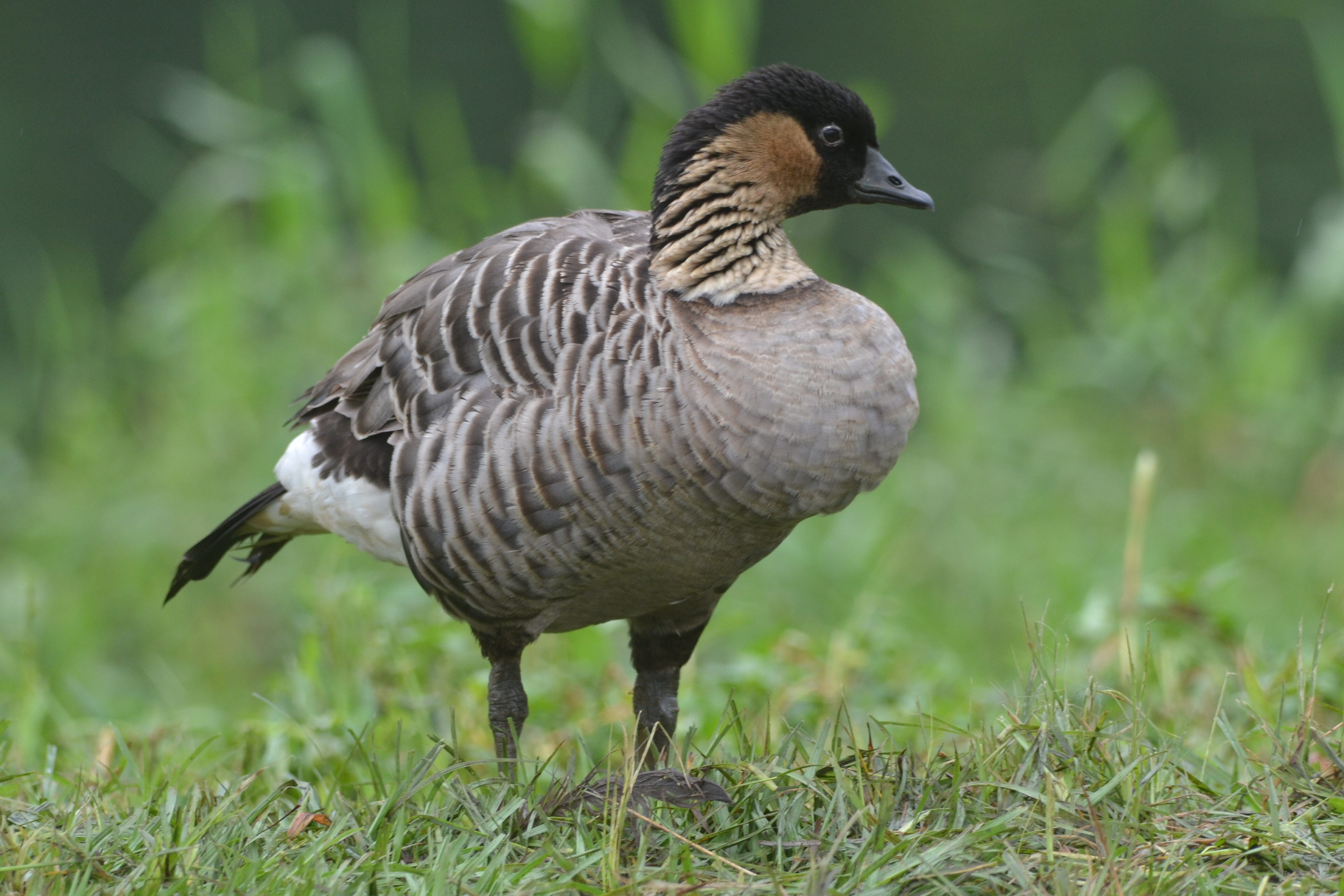
Nene aka Hawaiian Goose
(Endangered)

Bristle-thighed Curlew
(Endangered)

Pueo aka Hawaiian Owl (“Big Island”)
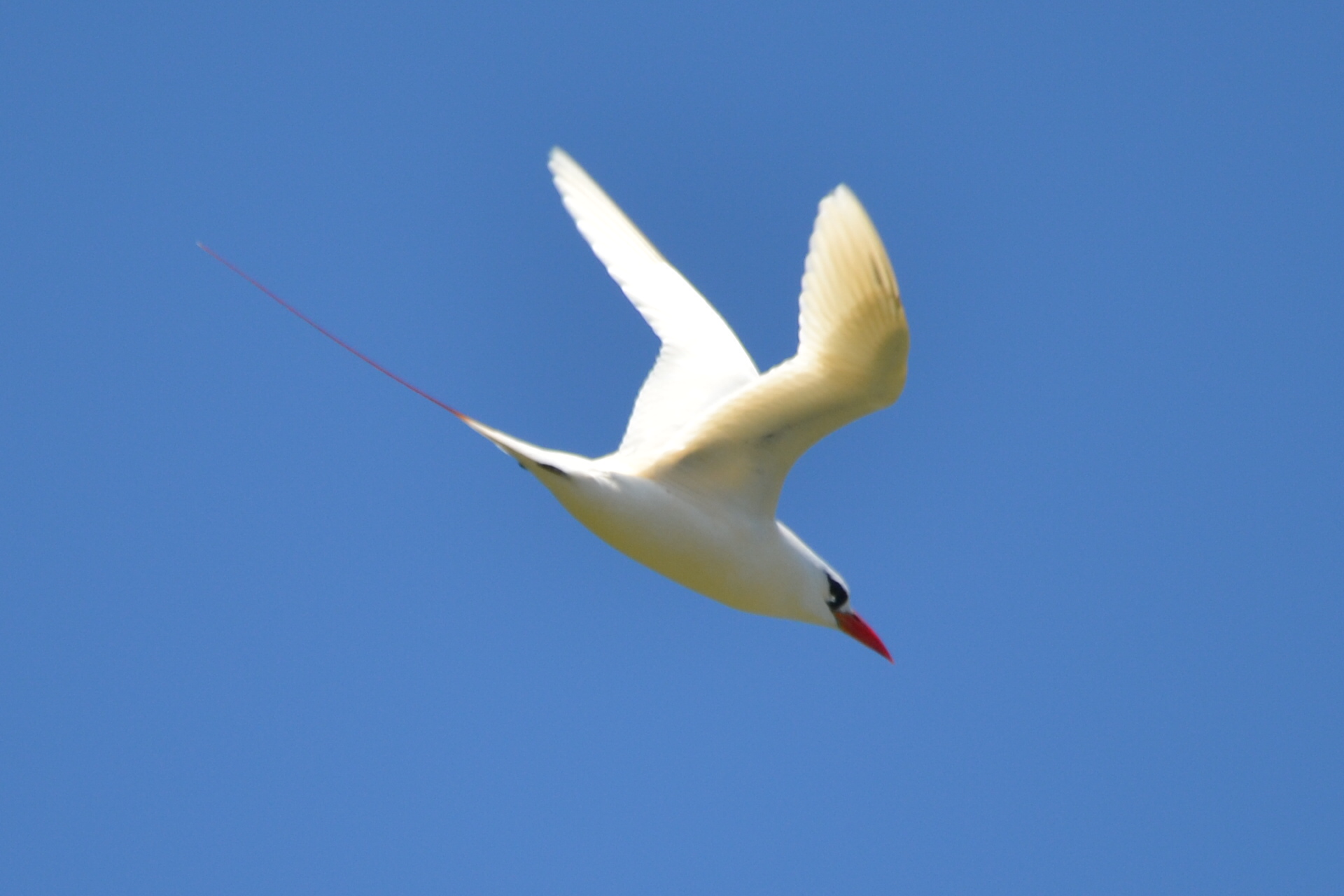
Red-tailed Tropicbird
(Kilauea NWR, Kauai)

As depressing as the future is for many of Hawaii’s forest birds, other types of introduced birds are thriving.

Red-crested Cardinal
(Introduced from Brazil in the 1930’s)

So, my ABA life-list has jumped to 771 and 800 seems like a realistic goal after all. I think I’ll go for it!
Posted in Quest for 700 (*800!) | 28 Comments

EURASIAN SKYLARK….famous Canadian resident

The Eurasian Skylark population registers in the millions in Europe and Asia but the only place it resides in North America is on the southern tip of Vancouver Island, British Columbia…between Sidney and Victoria. The subject of countless British poems (google Wordsworth and Tennyson) dating back hundreds of years, this famous songbird was introduced to parts of the USA and Canada in the early 1900’s. Buick even named a car after it in the 1950’s. Sadly, its NA population has almost been extirpated due to loss of farmland, changing agricultural practices and predation from starlings, crows and foxes.

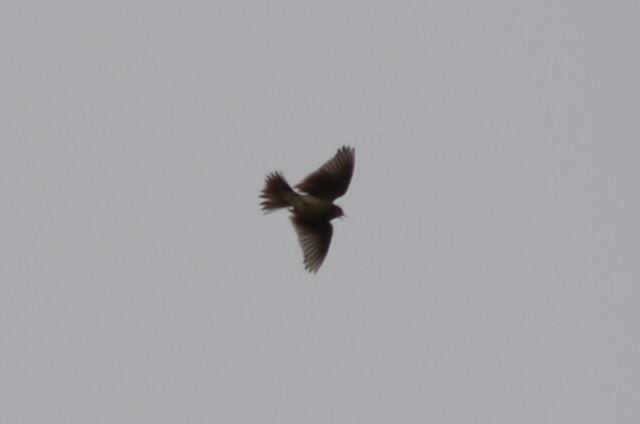
The brown-colored skylark is well camouflaged and shy on the ground and very difficult to locate among its preferred grasslands. During breeding season, the skylark will “sing on territory” but its courtship display is unique. Rather than pose and sing on top of an exposed perch like many male birds, this aerial acrobat infrequently alights from its hidden position in the field and simultaneously twitters as it ascends to heights of 300 feet….a brown dot against the sky. Its unpredictable descent back to earth may have evolved to juke raptors but it frustrates photographers.

After two hours and three misses from the grounds of Longview (daffodil) Farm, I finally caught one with my telephoto lens. Not suitable for a framed print but this shot proves that indeed, the Eurasian Skylark still resides in North America.

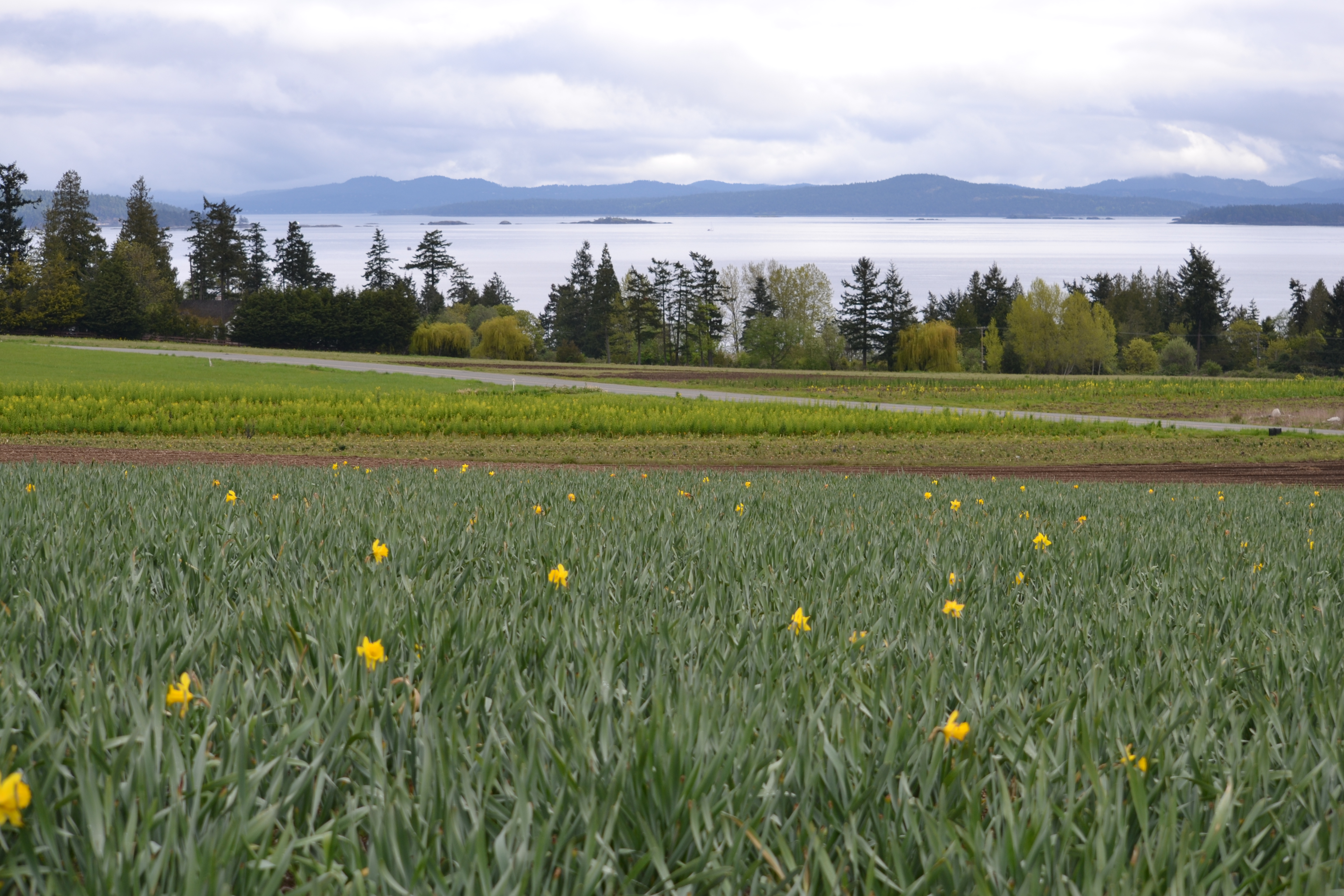
Longview Farm (Sidney, Vancouver Island, British Columbia)

EURASIAN SKYLARK (Sidney, British Columbia)

Posted in Quest for 700 (*800!) | 24 Comments

Persistent and/or Stupid – in pursuit of three LIFERS!

Spring break afforded me the opportunity to go west. Visiting friends with Nina in San Diego was the primary goal but unfortunately I was struck hard with a nasty chest cough at the end of the weekend stay. Rather than catch a plane home with Nina Monday morning, I stubbornly stuck to my pre-determined plan to chase three “lifers”. The Gray Vireo reported that week by e-bird (only 75 miles east of SD) proved to be an easy spot. The mile long hike at sunrise at an altitude of several thousand feet did not help my developing pneumonia…..and my camera fell ill, as well. NO PHOTO.

The smart move would have been to have seen a doctor in Philadelphia by now. But no, I had a round-trip boat ticket to Santa Cruz Island in The Channel Islands National Park and I was NOT going to miss my opportunity to see the Island Scrub-Jay in the ONLY place in the world it resides. It is related to all jays but it is its own unique species that never leaves the island! Another strenuous hike led me to five (5) of the 12,500 members of this species that call Santa Cruz Island home.

Island Scrub-Jay (Santa Cruz Island, California)

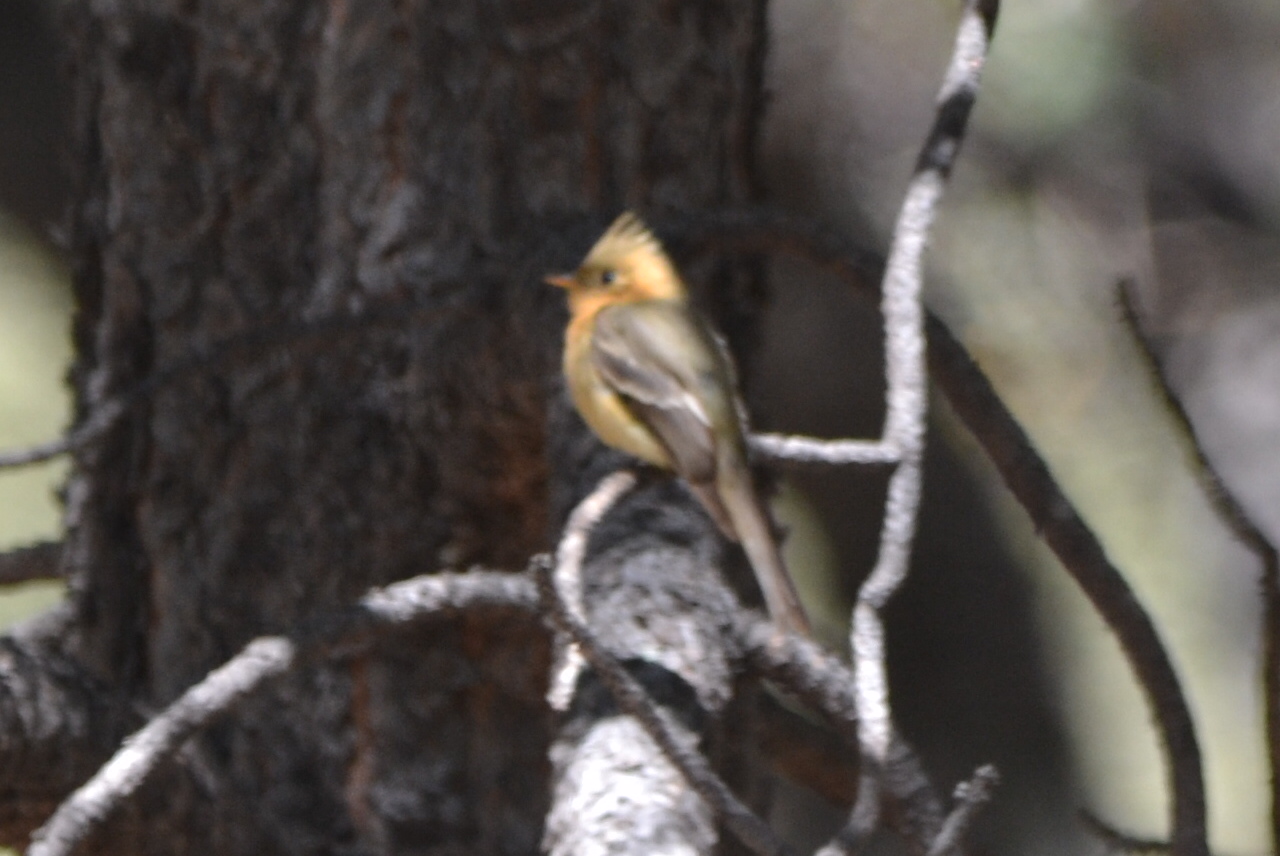
Of course, I should definitely have been en route to ANY doctor by now. But no, the CODE 5 Tufted Flycatcher was a major rarity that was going to be relatively simple to find….once I boarded a flight to Tucson and drove 100 miles. My persistence was rewarded but admittedly, I really did not enjoy the experience. I just wanted to catch up on sleep that pneumonia’s persistent cough prevented.

Tufted Flycatcher (Cochise, Arizona)

It has been almost two weeks since this adventure and I am finally feeling well enough to document what was a remarkably successful 72 hours of birding. Birding-wise I am very proud of closing in on another milestone (723 ABA lifetime species) but I am also a bit embarrassed by the health risk I took in the name of chasing birds.

There will be more stories but I promise to listen to my body (as all of you should) and make the correct decision next time.

Posted in Quest for 700 (*800!) | 17 Comments

Black-backed Oriole – HEADLINE NEWS!

HEADLINE!

HEADLINE!

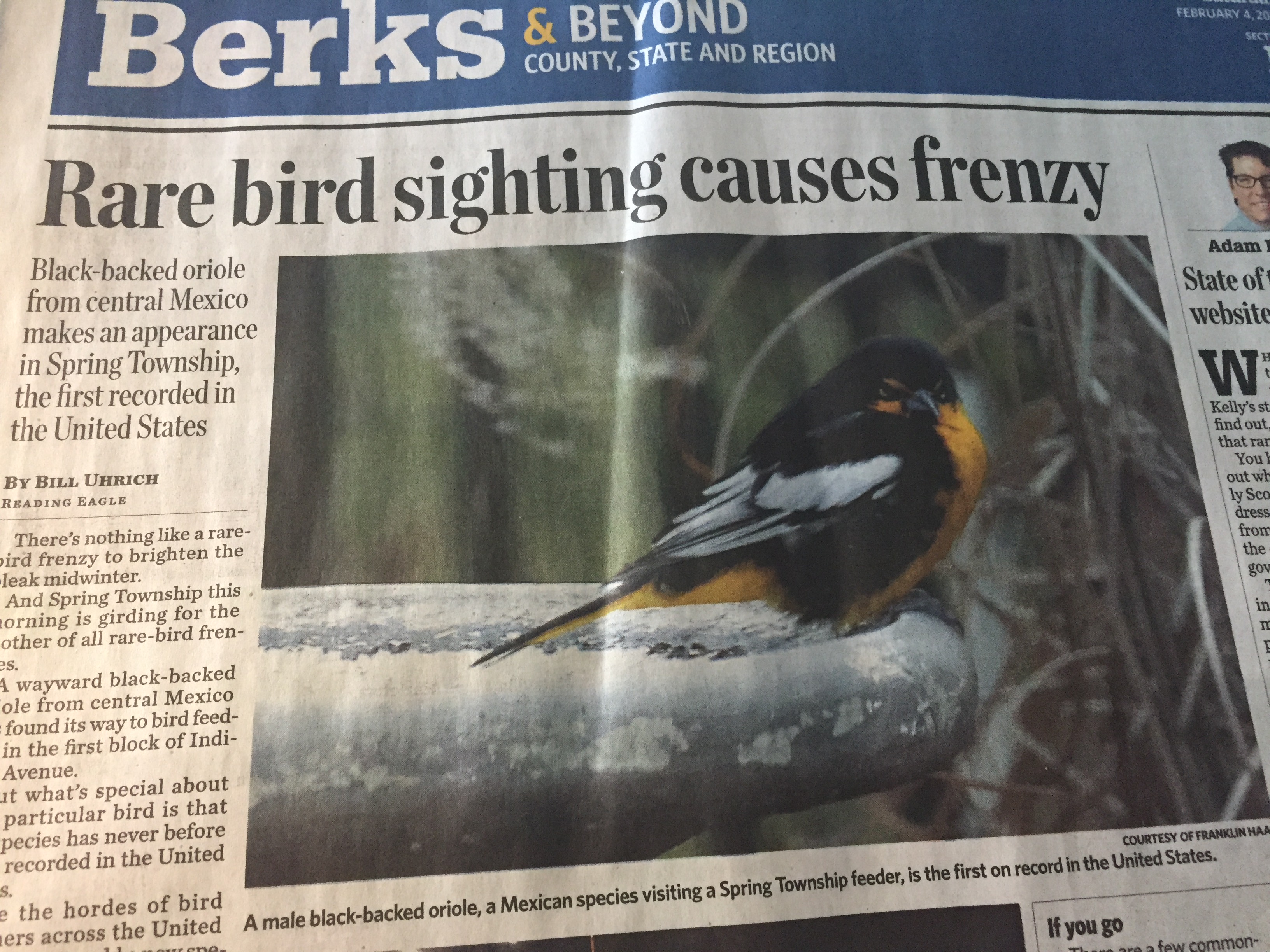
Okay, maybe not the New York Times but the Reading Eagle pictured the unprecedented Black-backed Oriole on the front page of its February 4th edition. Why? Because this Central Mexican bird has NEVER been reported in the USA or Canada and one was frequenting a bird-feeder an hour from Philly!

There is no doubt that this bird is a Black-backed Oriole…the real question is: Is it wild or an escaped cage-bird? When I first heard about it, I completely dismissed the notion that it was wild. But I kept reading daily e-bird reports from more and more birding luminaries who were trekking to Berks County to spot what could be an “ABA” first. It was in perfect condition, atypical of pet birds who tend to have damaged feathers. My friend Brant Henderson reported seeing a television news story: Why hadn’t I seen it? For two weeks this colorful but shy male visited fresh orange-slices put out by a friendly couple who were enjoying their ornithological-fame.

I had a flashback to the summer of 1983 when I failed to try to see the now infamous African Western reef-heron on Nantucket…..while I was spending a weekend on nearby Martha’s Vineyard! That first ever North American sighting still haunts me as I didn’t believe I could afford the extra vacation day and cost to chase it. I vowed to never make that mistake again.

So an hour drive to see a beautiful orange, black and white bird in the suburbs of Reading on a dreary February morning was certainly worth my time.

Black-backed Oriole (endemic to Central Mexico)

Black-backed Oriole (endemic to Central Mexico)

The guest book had over 1,000 names of visitors from 26 states and 3 countries. This bird was already a national celebrity in the birding world. It may take a year for the authorities to rule whether it can “count” as wild or not. But I saw it!

Posted in Quest for 700 (*800!) | 7 Comments

ROSS’S GULL (#720) in NY!

The Ross’s Gull (code 3) is an ARCTIC bird rarely seen in the Lower 48 states. It would be a “code 5” except that you can reliably see it in October…..in Barrow, Alaska! Two weeks ago I had a plane ticket from Tucson to SF to see the celebrated Ross’s Gull in Half Moon Bay. That was the bird that thrilled thousands of birders for three days but perished at the talons of a peregrine falcon in front of hundreds. Luckily I checked the SF birding Listserv six hours before the flight and saved myself $ and anguish.

It makes NO SENSE but another Ross’s Gull was reported last weekend in the Adirondack region. I don’t believe two Ross’s Gulls have ever been spotted in the USA (ex-Alaska) in the same year. This incredible sighting is clearly a result of climate change combined with a greater number of keen-eyed birders around the country. This first-year-very-lost-male has been walking ON frozen Tupper Lake (nr. Lake George) for several days desperately searching for its next meal. Locals have tossed carrion onto the ice to help it refuel. Another peregrine will likely predate this little, fatigued and conspicuous gull any day.

Fortunately for me, I had a trip planned to Vermont this week. A three hour detour to see a “life bird” was a no-brainer. But would the bird survive long enough for me to see and photograph it? Selfish thought, I know, but that’s being totally honest.

As I pulled into the designated viewing spot….the Tupper Lake boat launch…an enthusiastic young fellow dressed in barely more than a tee-shirt and blue jeans in the 10F temperature, waved me over to a group of ten others gathered at the ice’s edge. I checked the license plates of the other cars as I tried to calmly walk over to them. Ct, Mass, Md, NY, NY, NY, and me. The bird was about 1/4 mile out on the ice and the 26 yr old Yale PHD student eagerly showed me the Ross’s Gull through his scope. I thanked him, learned he was at Middlebury the same time as my Tyler, and he was quickly back on his way to New Haven to make a night class.

I reflected on our brief exchange. Seeing another life bird is exhilarating and it is sort of comforting feeling relatively “normal” in this crowd of birding zealots. But mostly I was gratified to know that the next generation of birders had fledged.

ROSS'S GULL!

720 "ABA Area" lifetime bird species

720 “ABA Area” lifetime bird species

Posted in Quest for 700 (*800!) | 18 Comments

NOT just any Oriole and Robin

Birding Arizona is always a treat but the winter season tends to bring certain rarities to the region. For several weeks I had read about a Streak-Backed Oriole (code 4) regularly appearing at a remote homestead’s orange slice feeders on the AZ/NM border. Despite its supposed “reliability”, there is always a chance of missing any bird. But this immature male was very cooperative even with a Javelina underneath it!

Streak-Backed Oriole (code 4)

Streak-Backed Oriole (code 4)

Javelina

Javelina

The owner of this property takes care of the birds and travel-weary birders as evidenced by the numerous feeders and neatly arranged lawn chairs. Other gorgeous species which deserved digital zoom attention include the Pyrrhuloxia, Gambel’s Quail, Black-throated Sparrow and Woodhouse’s Scrub-Jay (a recent split from the “Western Scrub-Jay” and while not rare…a new bird species for the life list!).

Pyrrhuloxia

Pyrrhuloxia

Gambel's Quail

Gambel’s Quail

Black-throated Sparrow

Black-throated Sparrow

Woodhouse's Scrub-Jay

Woodhouse’s Scrub-Jay

The Rufous-Backed Robin (code 3) is another Mexican thrush which typically appears in Southern Arizona in January. Two of these were recently reported…both a couple of hours away from where I was but in somewhat different directions. I chose the western location (Rio Rico). Upon arrival I met a Dallas birder who claimed this secretive, non-vocal visitor was not being consistently seen in any particular area of “the spot”. Bad choice. With three hours of light and two hours to drive north of Tucson, I decided to pursue the Rufous-Backed Robin which apparently likes pomegranates. Set back on private property, the deciduous fruit-bearing shrub was easy to see…with a telescope. But the birding Gods once again rewarded me. A blurry 500M telephoto shot but no doubt this is not an American Robin…can you tell the difference?

Rufous-Backed Robin

Rufous-Backed Robin

Post-Script: As excited as I was in my own little birding adventure, the BIG news for any birder this year, maybe even decade, was the discovery of a Ross’s Gull in Half Moon Bay, California on Friday. Probably another sign of climate upheaval, this true arctic bird has basically only been seen in Barrow, Alaska in the Fall. Confirmation of multiple Saturday sightings via social media gave me no choice but to alter my air tickets…Southwest is very cooperative…yesterday evening and prepare to leave for SF this morning (Sunday). At 10pm last night I checked the San Mateo rare bird reports again to make sure, I don’t know why, OCD I guess. And discovered both in words and photos that yesterday afternoon the Ross’s Gull was “predated” by a Peregrine Falcon! I am now headed home.

Posted in Quest for 700 (*800!) | 24 Comments

AMAZON KINGFISHER! (Dual Nationality)

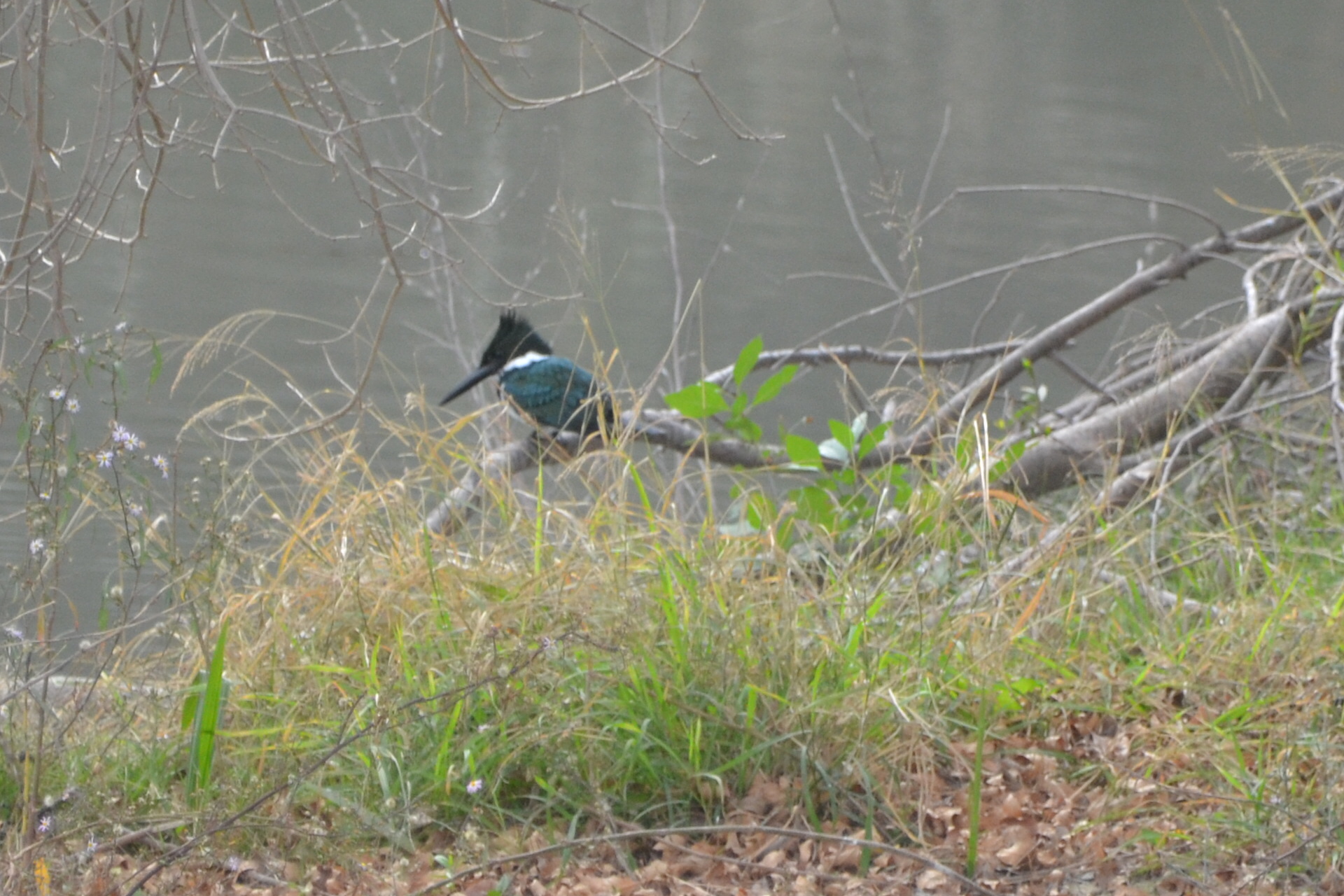
The first sighting of an Amazon Kingfisher in North America occured in 2010 in Laredo, Texas. A second one appeared a couple of years ago nearby and now a third (female) has been frequenting the Rio Grande this Winter near Laredo. This bird has earned its “code 5” (i.e. very rare) status. You may recall that Code 6’s are extinct!

It has been ten months since I added a new bird to my North American life-list, so chasing this special beauty over MLK Holiday weekend was the perfect antidote for my nature-deficit syndrome. Only nine hours spanned waking up in Manayunk and joining a fellow (who drove all night from Wyoming) bird enthusiast on the banks of the Rio Grande.

The bird was stationed exactly where the rare bird reports indicated. The problem was….. it was comfortably positioned on the Mexico side of the river and birds spotted in Mexico cannot count towards one’s North American list.

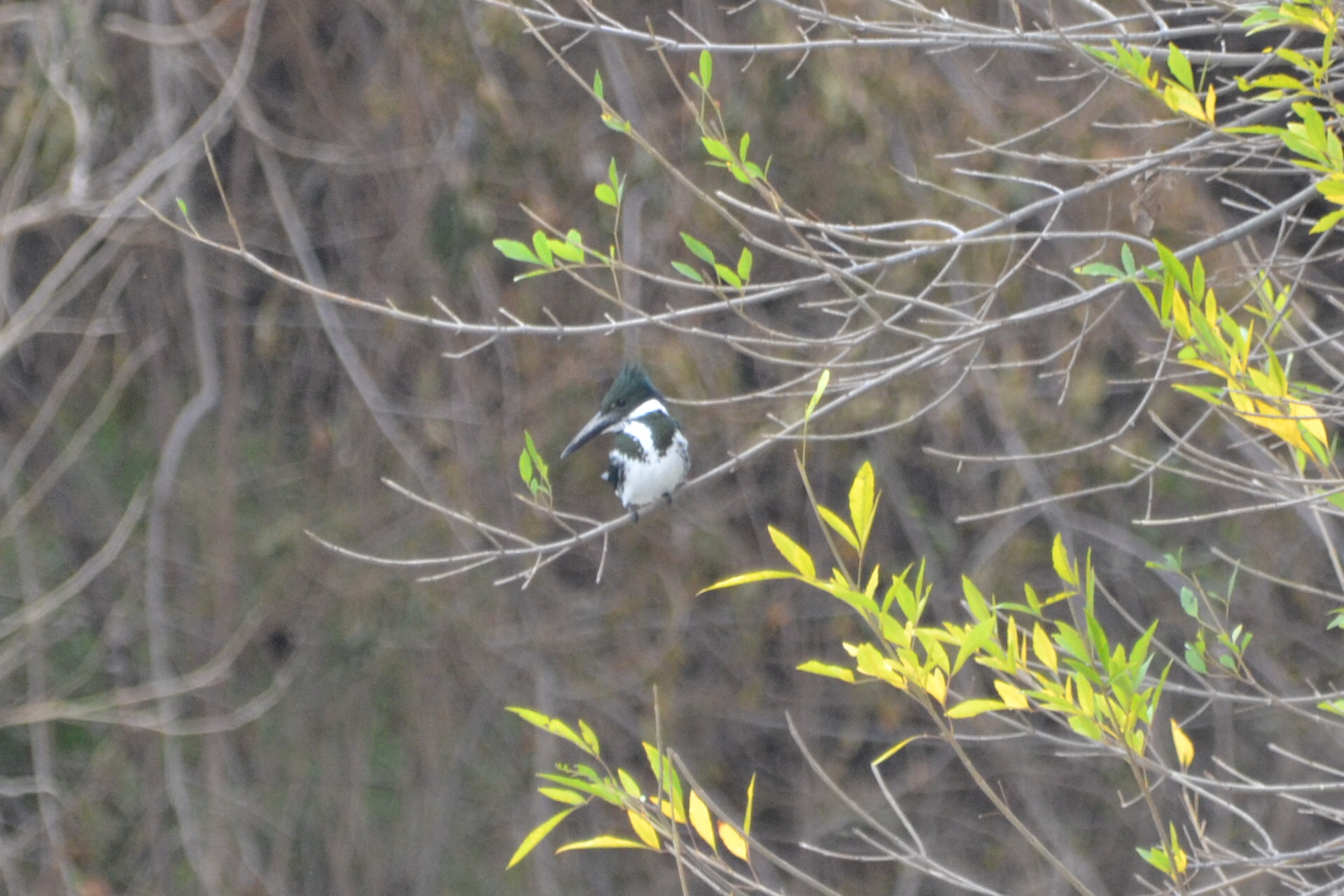
Amazon Kingfisher is technically in Mexico

Amazon Kingfisher is technically in Mexico

Amazon Kingfisher (code 5!)....still in Mexico

Amazon Kingfisher (code 5!)….still in Mexico

Silly, I know…but the brag card among most birders is one’s North American life list. Of course, it was a new bird for my WORLD list and that number should be the true benchmark for who really rates in the birding-world-pecking-order.

Anyway, birders are an honest bunch and we follow the rules of the game. So we waited. A couple of hours. Just talking and sharing highlights of our birding obsession…all the while watching the kingfisher nab little fish from the two perches in the photographs. Why would this bird emigrate to the USA when the fishing was so productive in Mexico?

Thankfully the answer was a pesky Green Kingfisher. It startled its much bigger cousin and both flew over to our side and perched on a piling. Now I could count the Amazon – #710 – and contemplate my next move.

Amazon Kingfisher officially in the USA

Amazon Kingfisher officially in the USA

Well, I am writing this blog from my Super 8 hotel room in Willcox, Arizona. A long but satisfying day. Philly to Dallas to Laredo to Dallas to Tucson to here. Thank you frequent flier miles. Currently southern Arizona is hosting three species that I’ve never seen. Stay tuned…..

Posted in Quest for 700 (*800!) | 39 Comments

Spring Break 2016…South Florida!

SARAH and GCW

SARAH and GCW

The spring break plan was always centered around seeing our Miami-based Sarah…the person who originally suggested this birding blog. A trip to the Everglades was sandwiched between South Beach exquisite dinners, retail therapy and even Bikram yoga. Chasing rare birds was honestly not on the agenda but Sarah’s business trip and Nina’s encouragement presented me with an opportunity to race down to the Florida Keys this morning…4am departure to be exact. Two mega-rarities had been consistently seen since mid-February in the same state park that produced lifer #704 (Key West Quail-Dove) last March.

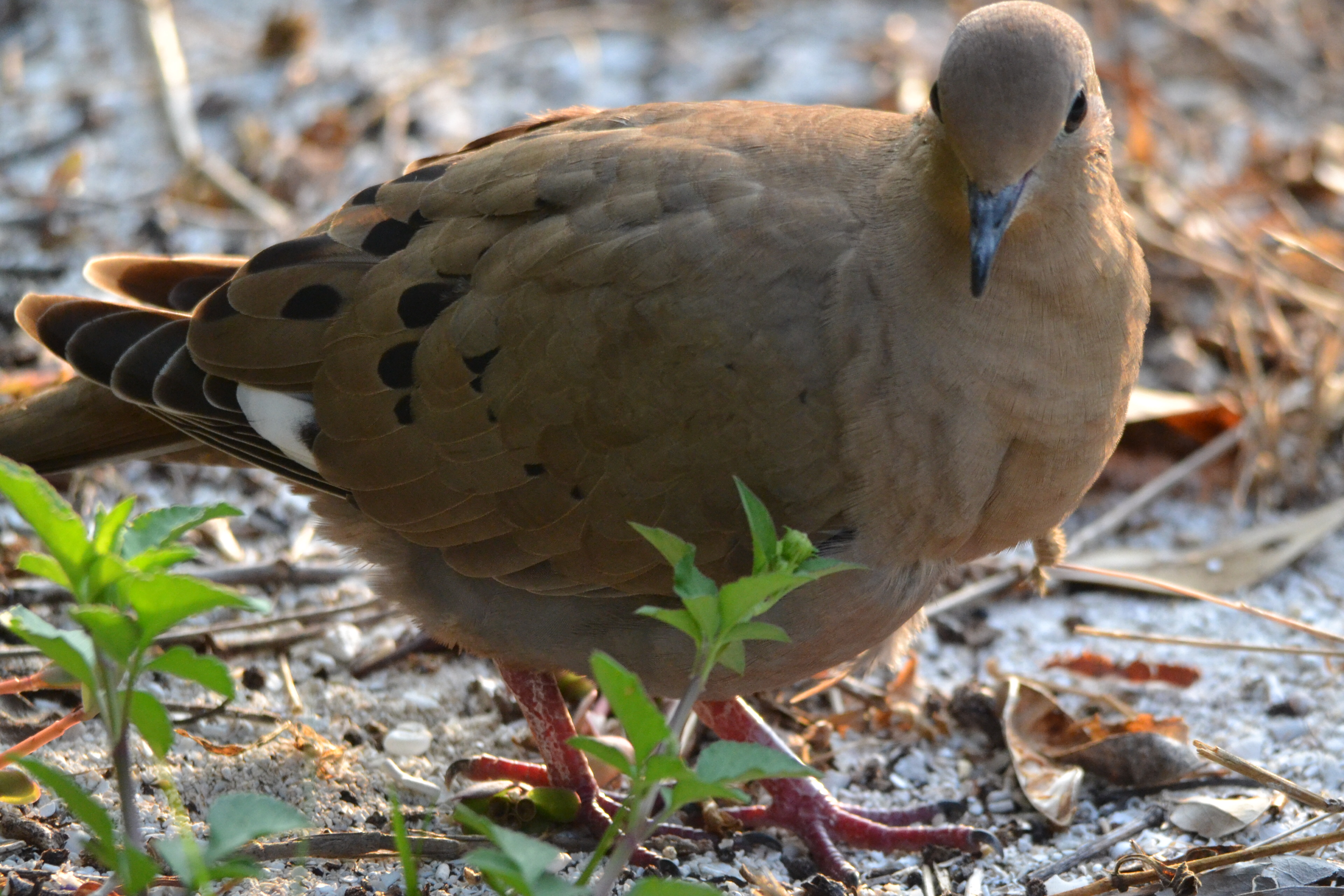
Both of these species are primarily West Indies natives; the Zenaida Dove is a code 5 (seen a few times EVER in North America) and the other mini sparrow-like Black-faced Grassquit is a code 4. Seeing both on the same day is like a baseball player turning an unassisted triple play AND hitting a game-winning home run in the same game.

With directional assistance from a man who had driven 12 hours from Charlotte to guide his two Sacramento friends, we hastily walked a few hundred yards along the Golden Orb path and stopped at the previously marked pink streamer “spot” in the mangroves. We waited less than a minute and gasped expletives as the dove emerged from the jungle into the sandy path and fed at our feet. The white patch distinguishes this bird from any other dove.

Code 5!

Code 5!

The Grassquit was going to be more of a challenge. Besides being only 4 inches, drab in color, and quiet (it was a female), it had not been seen in three days…..and that was in a private RV area. Add the uncooperative park ranger who did not appreciate us in his campground full of “paying customers”, we had a recipe for disappointment. Three hours elapsed, our group grew to more than twenty as folks from Michigan, Texas, and NYC joined the hunt, but there was no hint of the target bird.

I wasn’t going to quit on the Grassquit but I did separate from the group to grab my sunblock from the car. As I applied the lotion I could interpret the body language of excited birders 400 yards away. A short jog at a moderate pace brought me to the spot thirty seconds after the bird was flushed into a tangle of who knows what. Turning away in disappointment, I saw a little olive-gray thing sitting on a water hose contraption next to a RV. Before I could raise my binoculars, the Californians raised their voices and I fired away with the digital zoom and prayed this was our bird. It was a home-run…the score now stands at 709 North American lifetime species.

Black-faced Grassquit (LONG KEY STATE PARK, FLA)

Black-faced Grassquit (LONG KEY STATE PARK, FLA)

Posted in Quest for 700 (*800!) | 18 Comments

In Honor of Shel Severinghaus (#707)

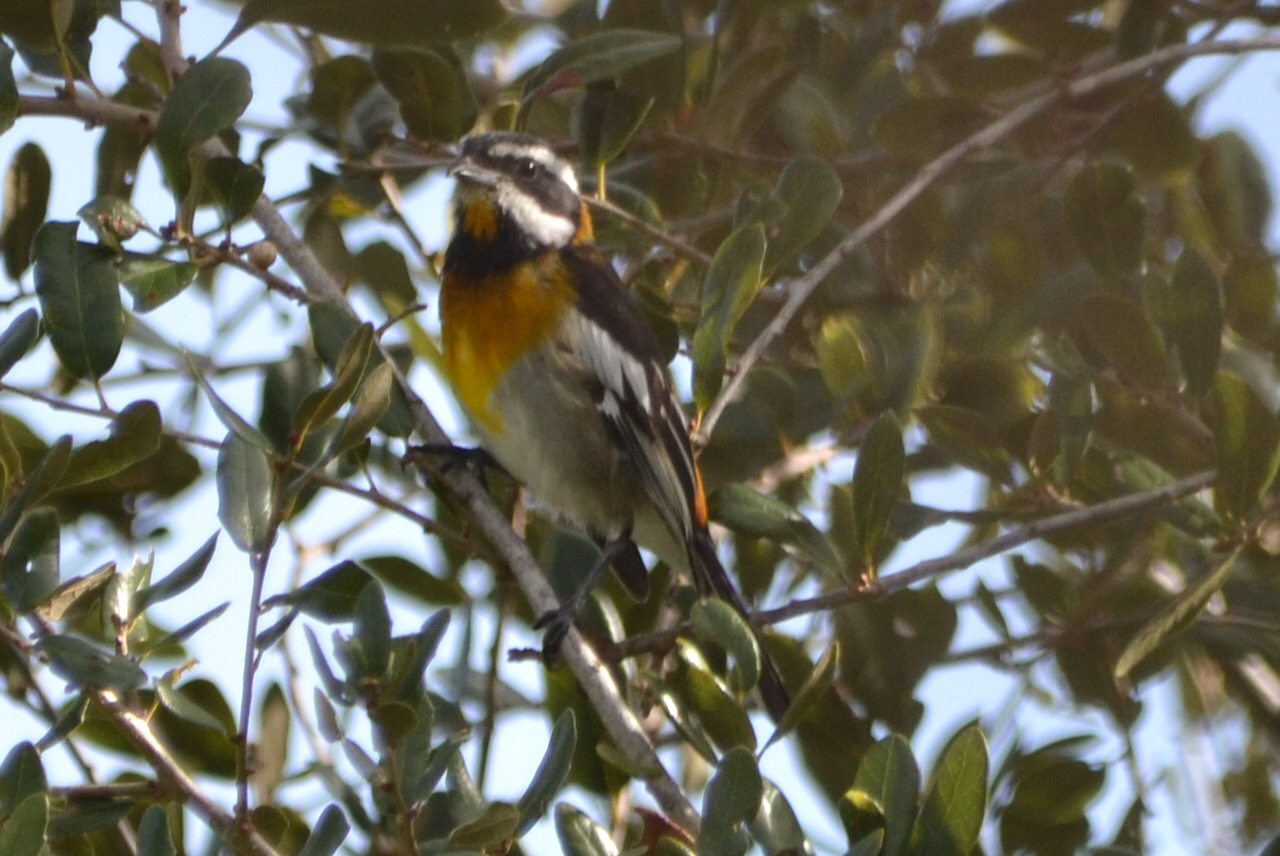
My friend Shel Severinghaus sadly passed away last week after a difficult bout with cancer. The Severinghaus Family was instrumental in developing my interest in birds, starting in the late 1960’s with trips to southern Florida. Well lucky me, the Temple Owls qualified for a football bowl game to be played in Boca Raton this evening, so I “had” to join Nina down there. Even better, the elusive Western Spindalis (aka stripe-headed tanager), a bird I frustratingly missed in Key West two years ago, was being seen daily in a Ft. Lauderdale area park since Thanksgiving.

The rare bird alerts made it seem like this bird would be easy to locate. However, the alerts didn’t mention that the park was a dog park, a really popular dog park. The combination of playful pups, overhead jets and I-595 traffic made it nearly impossible to listen for or to locate the family of Spot-breasted Orioles with whom the smaller, shy Spindalis tended to associate. After two hours searching a ten acre area by myself with no other birders in sight, I was beginning to feel the pressure of my promise to be “back by lunch”. Fortunately, a birder from Minnesota and another fellow from Tampa showed up. We quickly divided up the territory and within minutes the orioles were spotted.

Spot-breasted Oriole

Spot-breasted Oriole

I had not seen a Spot-breasted Oriole since the one that nested in Shel’s father’s Coconut Grove, Fla yard…..in 1969! And just as promised, the Orioles were a true harbinger for North American life bird #707. A beautiful male Western Spindalis peeked out of the foliage for a moment and I shot off a barrage of digital ammo. A Spindalis in honor of Severinghaus….truly fitting.

Western Spindalis Markham Park, Fla

Western Spindalis
Markham Park, Fla

Posted in Quest for 700 (*800!) | 18 Comments

Massachusetts Bird-a-thon!

THANK YOU to those of you who $upported Dano Weisbord and me in yesterday’s birding effort benefiting The Hitchcock Environmental Education Center in Amherst, Mass. Your contributions were motivating and know that every dollar matters!

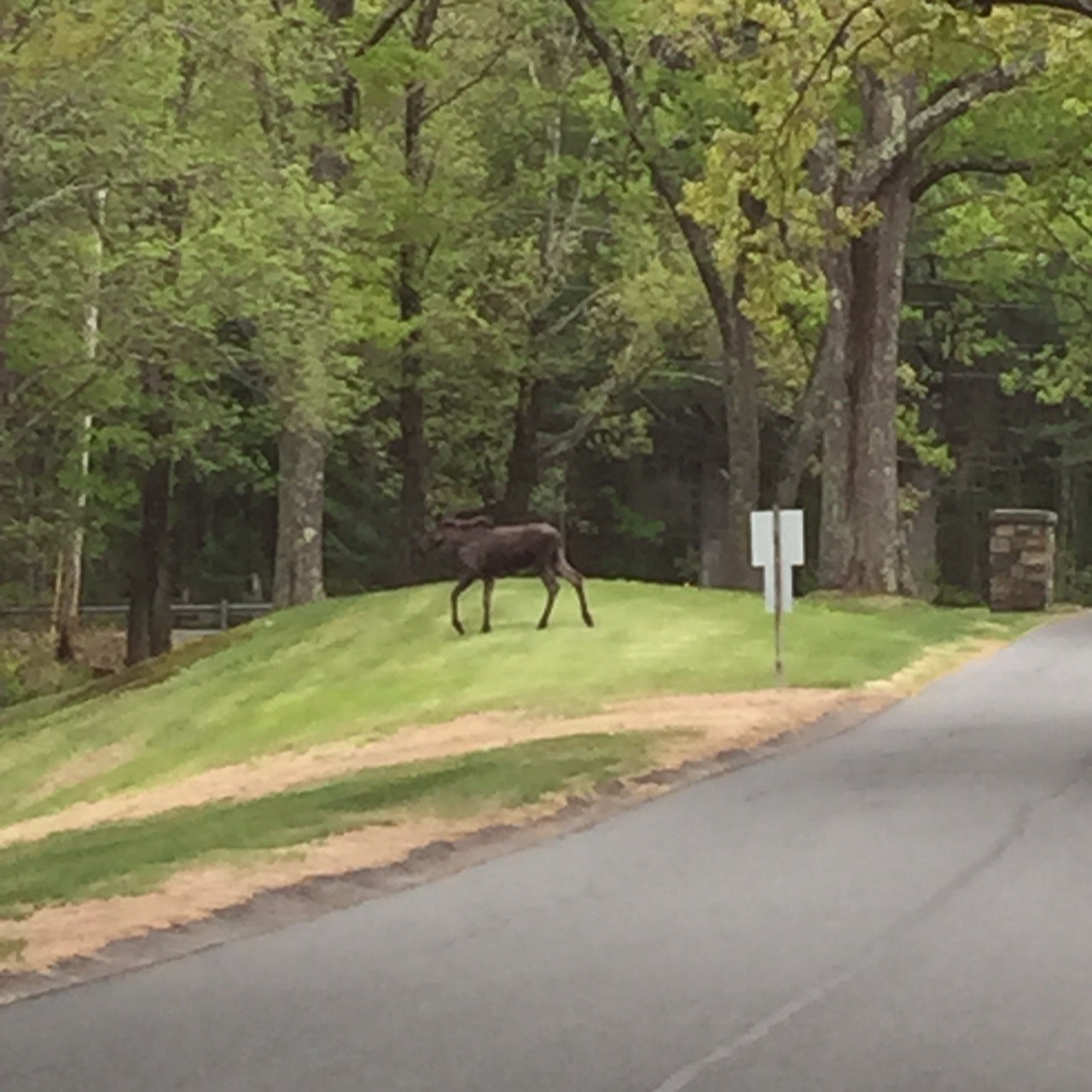
We birded from 4:30am to 9pm, covered 120 miles by car and over 12 miles on foot. Our goal was to positively identify 90 species and we tallied 89. Darn! If we counted the distant gulls we saw at one point but couldn’t absolutely specify, or added the moose (a true rarity)…oh well. Given that we were limiting ourselves to Hampshire and Franklin Counties in central Massachusetts (i.e. basically no water birds like sandpipers or ducks to pad the list), our total was pretty respectable.

By 7am we had listed 30 species, including the elusive Bobolink, despite an intermittent drizzle. The Silvio Conte River Trail produced many colorful birds like Orchard Oriole, Blue-winged Warbler and Rose-breasted Grosbeaks by the handful. It was worth walking to the summit of Holyoke Mt (almost 1,000 feet) as we saw the rare Cerulean Warbler and uncommon Worm-eating Warbler. At 11am our total was 57 and we hadn’t yet seen the ubiquitous house finch or pigeon!

Groff Park, Norwottuck Rail Trail, and Quabbin Reservoir were a bit too quiet so we hit recommended spots on the Connecticut River hoping to boost our total during the mid-day birding doldrums. We combed the “Honey Pot” and located single Vesper and Savannah Sparrows. A solo Bufflehead (I’ll admit publicly that I swore it was a Hooded Merganser and was proved wrong by Nina’s brother:)…and a Bald Eagle resided in Turners Falls as we hit 80 species at 5:45 pm. Rock Dove (aka pigeon) made 81. 90 species was still possible but iffy given the sun sets at 8pm.

The nearby Montague Plains (elevated glacial sandflats) quickly offered up a Ruffed Grouse, Pine Warbler, Field Sparrow and a Tennessee Warbler. A careful summation of the bird list showed 87 species….I had forgotten to add the Mockingbird and Bluebirds seen earlier. 90 was now better than “iffy”. We double backed to the big body of water in Barton’s Cove with hopes of squeezing out a gull and a cormorant in the fading light…but none were in sight.

We returned to the eerie Montague Plains and it showered us with Whip-poor-will calls from every direction at dusk. A bonus were several Woodcocks “peenting” at our feet. 89. No hoped-for owls were heard as we headed home; exhausted and satisfied that we had tried our best and completely enjoyed this birding marathon.

#90?

#90?

Posted in Quest for 700 (*800!) | 14 Comments